
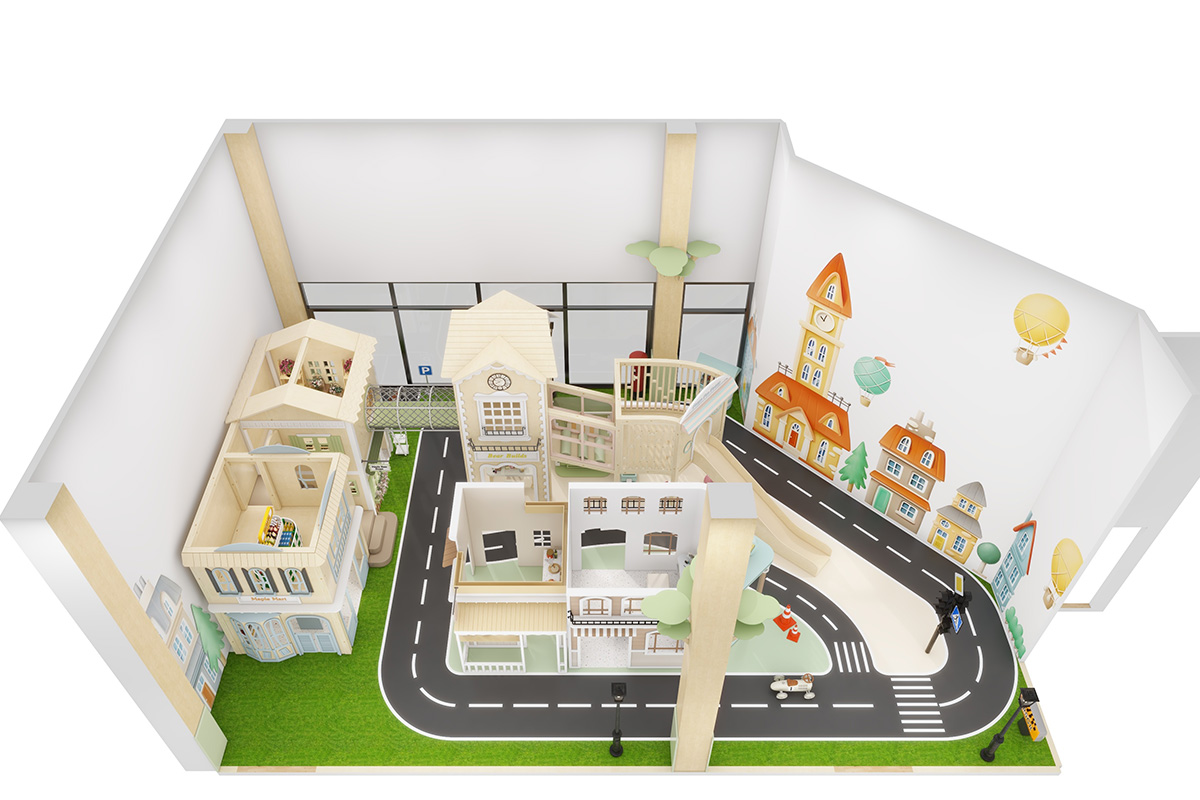
If you are planning to build an activity room for your kindergarten or daycare center, the core principle to keep in mind is that this will be a home for the children for several years. A sense of home, safety, and fun is far more important than luxurious decoration. When considering preschool play structures, the focus should always be on age-appropriate, safe, and engaging designs that encourage exploration without compromising security.
Site Selection and Floor Level
Strictly prohibited in basements or semi-basements: This is extremely detrimental to the physical and mental health of young children.
Floor level restrictions: Children’s activity rooms must be located on the third floor or below. This is to ensure rapid evacuation in an emergency.
Spatial dimensions: The clear height of a standard classroom activity room should not be less than 3.00 meters. For the main comprehensive activity room (multi-functional hall) you are focusing on, the clear height should not be less than 3.90 meters to ensure good air circulation and avoid a sense of oppression. This height is also essential if you plan to incorporate a preschool play structure that requires ample vertical space for safe and enjoyable use.
Interior Activity Room Design
1. Classroom Unit: A Self-Contained Little World
Each classroom should be an independent “home,” comprising the activity area, sleeping area, bathroom, and cloakroom/storage, which facilitates management.
Flooring: Must use flexible, elastic, and slip-resistant materials (such as wooden flooring or soft floor covering). Never use only cold, hard terrazzo or cement floors, as these can affect the development of children’s ankle joints and increase the risk of injury from falls.
Bathroom: There should be good visual access between the washroom and the toilet area to allow teachers to supervise easily. The height of handwashing sinks should be approximately 0.50 to 0.55 meters. For toilets, squatting pans are recommended, equipped with child-friendly handrails.
2. Comprehensive Activity Room: A Multi-functional Exploration Space
This is the core indoor play and learning area you are focusing on. Besides meeting the 3.90-meter clear height requirement, it’s crucial to make this space truly “dynamic.” This is where custom indoor playground design truly shines, allowing you to tailor every element to your specific educational goals and spatial constraints.
Functional integration: It serves not only as a rainy-day playground but also as a small theater, construction area, or role-play village. By investing in thoughtful custom indoor playground design, you can seamlessly blend these functions into a cohesive environment.
Play structure integration: Consider installing a well-designed preschool play structure within this space. It should include age-appropriate challenges like crawl tunnels, gentle slides, and interactive panels that support physical development and social interaction, all while aligning with your overall childcare activity design philosophy.
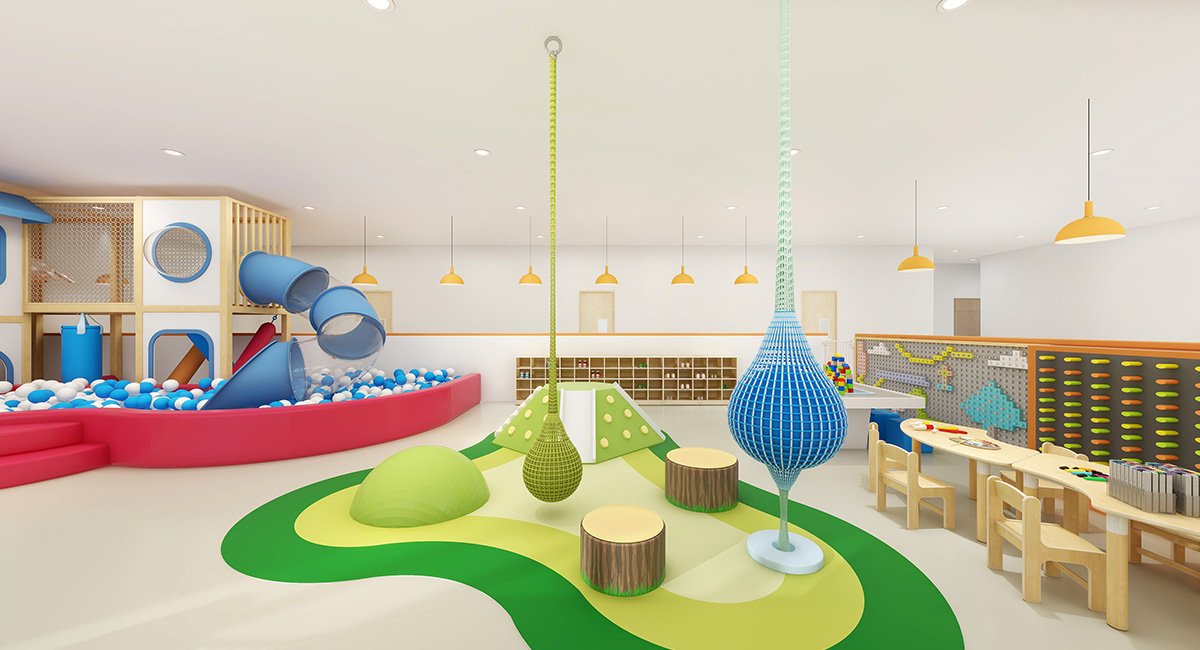
Wall utilization: Interior walls should have display functions. Themed walls (e.g., featuring the 24 solar terms or traditional culture) or areas for displaying children’s artwork can be set up, allowing the walls to interact with the children.
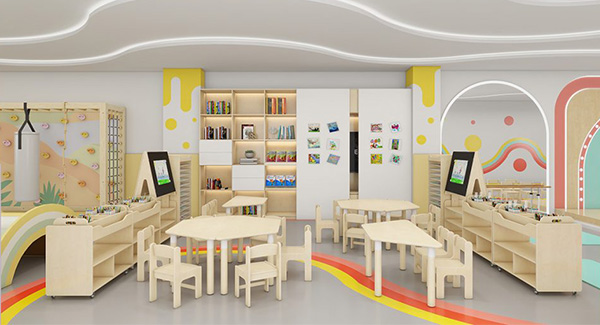
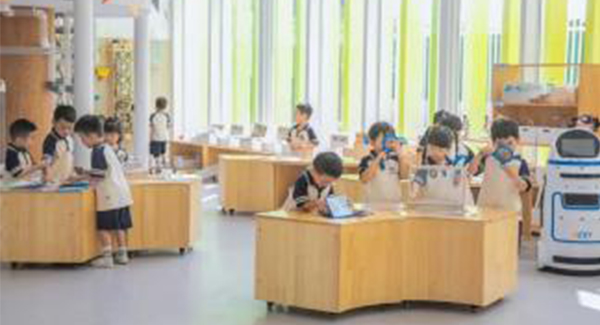
Flexible layout: Consider using movable “universal tables” that allow the space to be reorganized according to different activity needs, supporting various learning modes such as scientific exploration and group discussions. This flexibility ensures that your childcare activity design can evolve with the children’s needs.
3. Collaborative & Community-Focused
During the planning and design phase, if conditions permit, you could even invite children from the nearby community or their parents to participate in discussions and hear what their ideal kindergarten looks like. Their input can be invaluable when conceptualizing playground structures for preschools and overall layout. Alternatively, you can seek out experienced design and production suppliers with many successful cases in custom indoor playground design, share your needs and specific situation with them, and let them help blueprint and even build the vision you have in mind.
Strictly adhere to safety regulations, and approach the spatial design from the perspective of “how will a child live here?” – this will surely help you build a kindergarten that gives parents peace of mind and is a place children look forward to being.
As you begin planning the specific blueprints, are there any particular headaches, such as an irregularly shaped site or a tight budget? Let us know the specific details, and we can offer advice from a professional perspective on how to optimize your childcare activity room design and play structure choices.